INVESTMENT
PROTECTION
Corrocoat products provide engineering structures and equipment with long-term and cost-effective protection against corrosion.
Read More
View Technical Videos
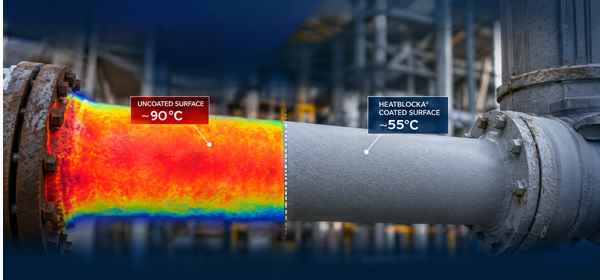
Where equipment requires both insulation and protection from corrosion, Heatblocka provides a practical two-in-one solution.
Heatblocka is a two-pack, cold-cured, high-build insulating coating designed for use on both new and existing equipment. It can be used on transfer lines where insulation is required for process reasons or to help protect personnel against accidental burns, as well as on tankage to help prevent heat build-up, evaporation losses and loss of energy. It can also be used as an under-insulation corrosion barrier while adding to the insulating properties of the system.
Unlike insulation materials that require additional corrosion protection beneath them, Heatblocka combines thermal insulation and corrosion protection within the coating system, providing a practical alternative or addition to conventional insulation solutions.
Heatblocka is one of the products put through its paces by our R&D team, with thermal testing used to demonstrate its insulating performance.
Applied at a thickness of 3 mm, Heatblocka can reduce the surface temperature of a pipe from approximately 90°C to 67°C. At 6 mm, the surface temperature can be reduced further to approximately 55°C.
This insulating performance, combined with the corrosion protection associated with Corrocoat’s glass flake filled coating technology, makes Heatblocka particularly suited to applications where both asset protection and surface temperature reduction are required.
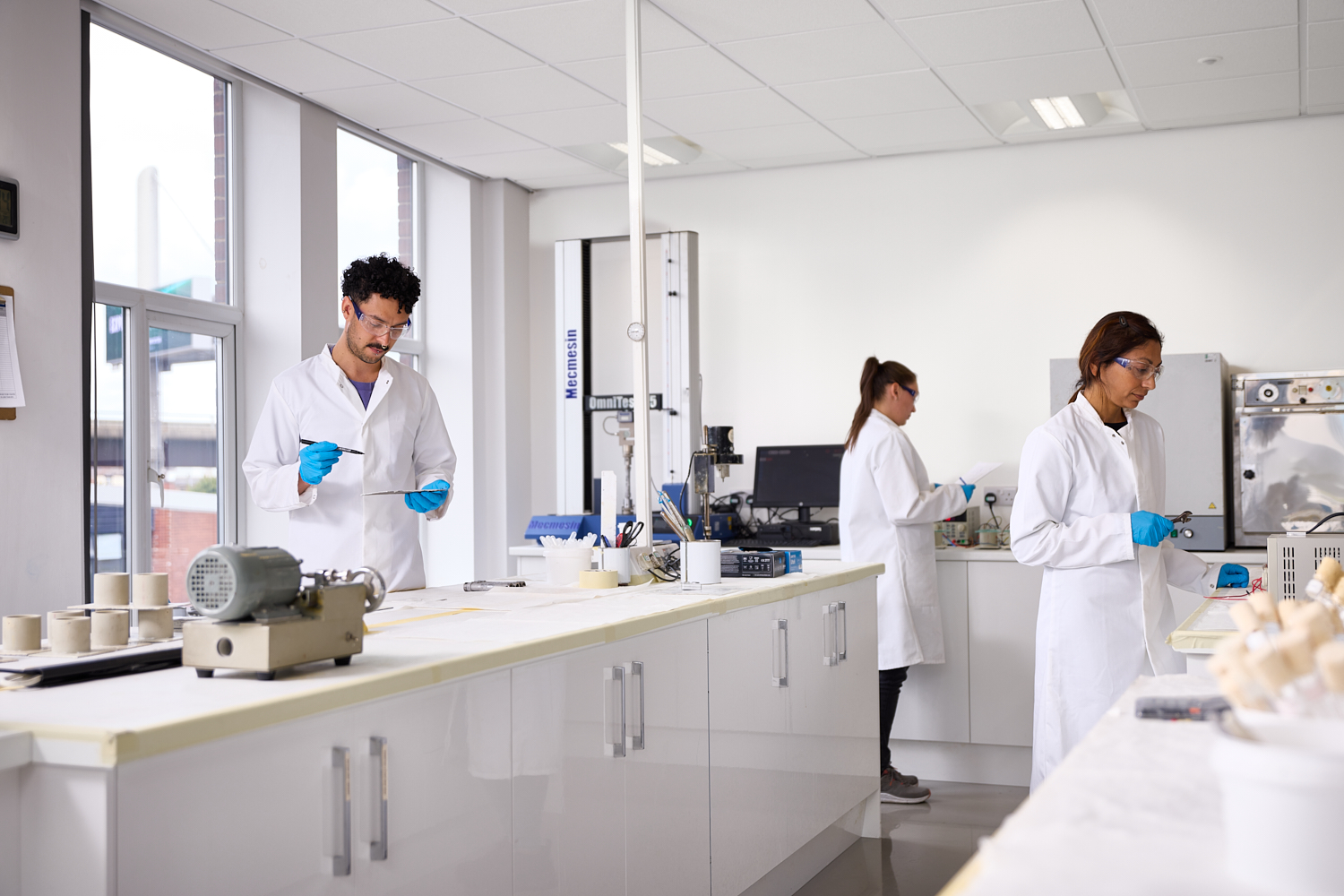
Behind every Corrocoat coating system is a significant amount of research, development and testing. From responding to a specific customer requirement to exploring new technologies and improving existing products, our in-house R&D team plays an important role in ensuring Corrocoat continues to meet the demands of challenging industrial environments.
New developments can begin in many different ways. A customer may present a particular performance requirement, new technology or raw materials may become available, or the team may identify an opportunity to improve on an existing solution. Recent projects have ranged from developing a more user-friendly and efficient high-performance tank lining, to exploring coatings for new markets such as cool roofs and improving the flow properties of an existing potable water system.
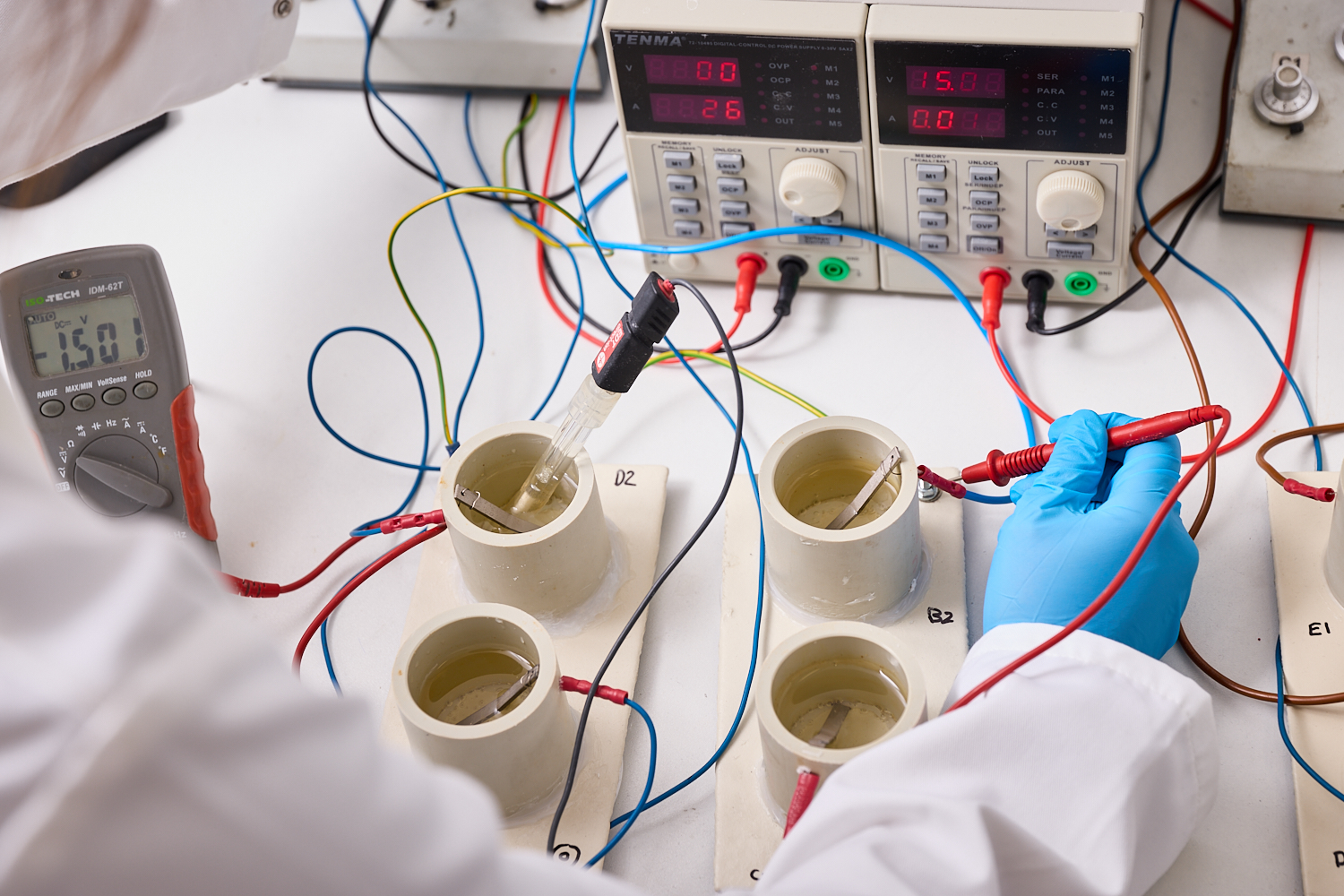
Testing is a fundamental part of the development process. Depending on the intended application, Corrocoat can evaluate properties including adhesion, abrasion resistance, hardness, chemical resistance, moisture vapour transmission, weathering and performance at temperature.
For coatings intended for particularly demanding environments, testing can be extensive. Cold-wall testing, for example, can simulate immersed service at elevated temperatures, while thermal analysis can help establish a coating’s glass transition temperature and level of polymerisation. Some corrosion and performance testing can continue for up to six months before the team is satisfied that a development is suitable for its intended environment.
Not every R&D project has a straightforward solution. One particularly challenging project involved developing a coating capable of being applied and cured underwater. Recreating realistic underwater application conditions in the laboratory, sourcing suitable raw materials and developing a material that could perform effectively in those conditions all presented significant challenges. The project has involved extensive development, with work continuing to optimise the application method.
R&D also supports Corrocoat customers and partners around the world with unusual applications and service conditions. Wherever possible, the team recreates the service environment in the laboratory. Where this isn’t practical, they can provide technical guidance or prepare test samples for evaluation under actual operating conditions.
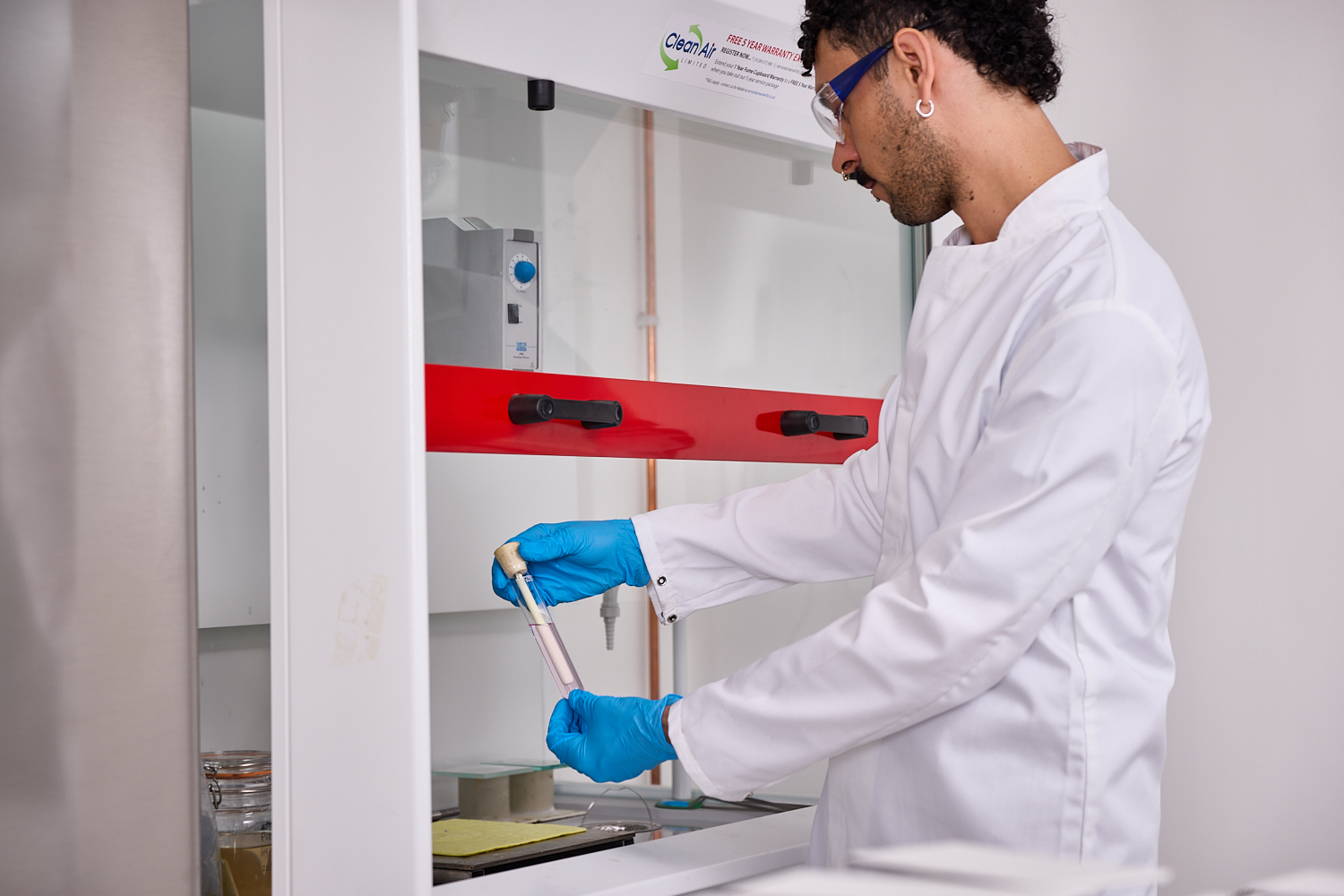
One of the more unusual instruments in the Corrocoat laboratory is a Thermesthesiometer – a burn injury measurement instrument designed to simulate the temperature response of a human finger. It allows the team to assess the surface temperature of an insulated coating from the perspective of personnel protection – effectively measuring what someone would experience if they touched a coated hot surface.
Corrocoat’s corrosion protection technology supports critical assets across a diverse range of industries – and our 2026 events programme reflects that breadth.
This year, our teams have attended leading events spanning marine and shipping, energy, hydrogen and carbon capture, renewables, defence and asset management, including AMPP in Houston, Posidonia, NOF and Asset Management 2026.
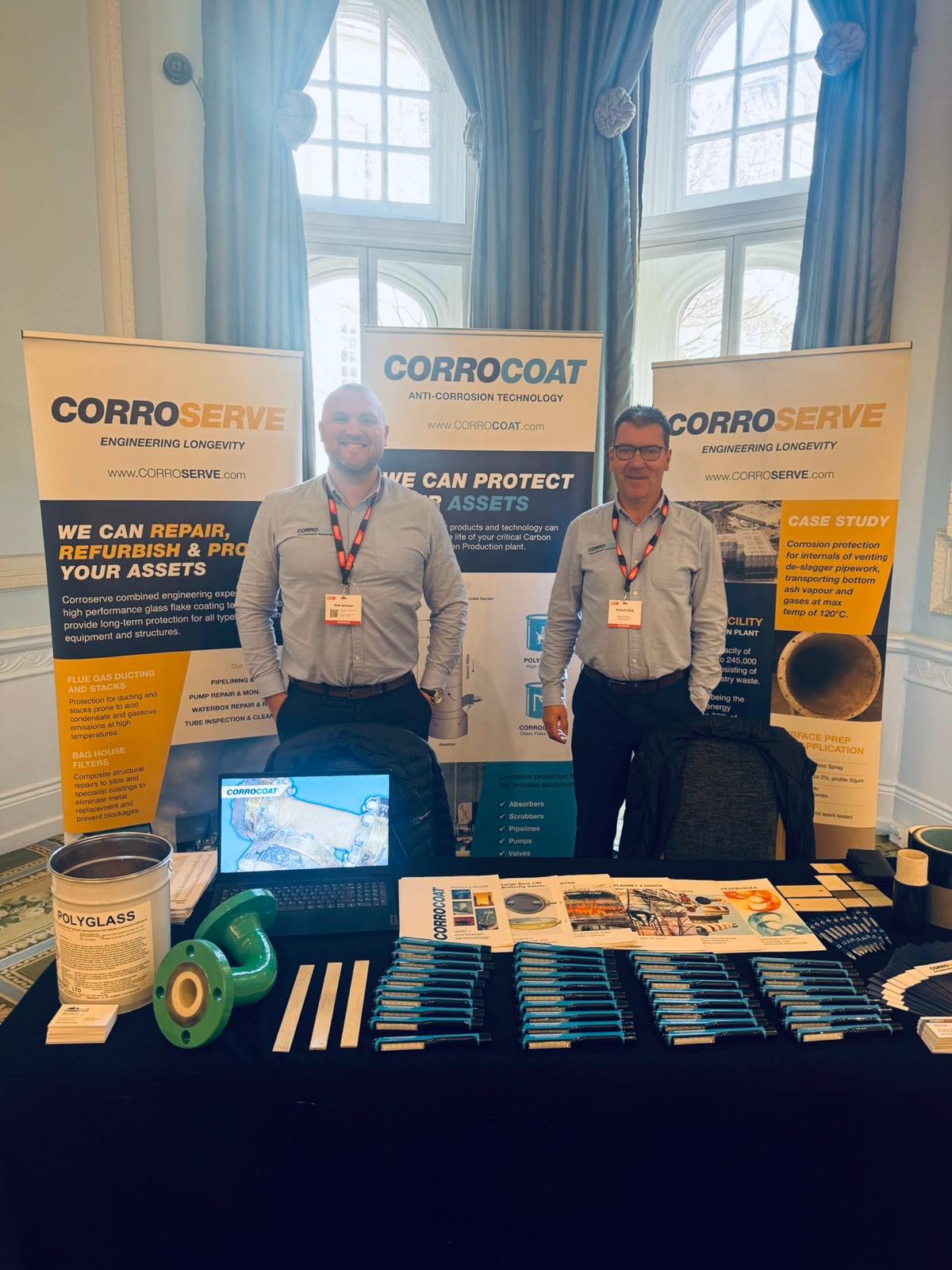
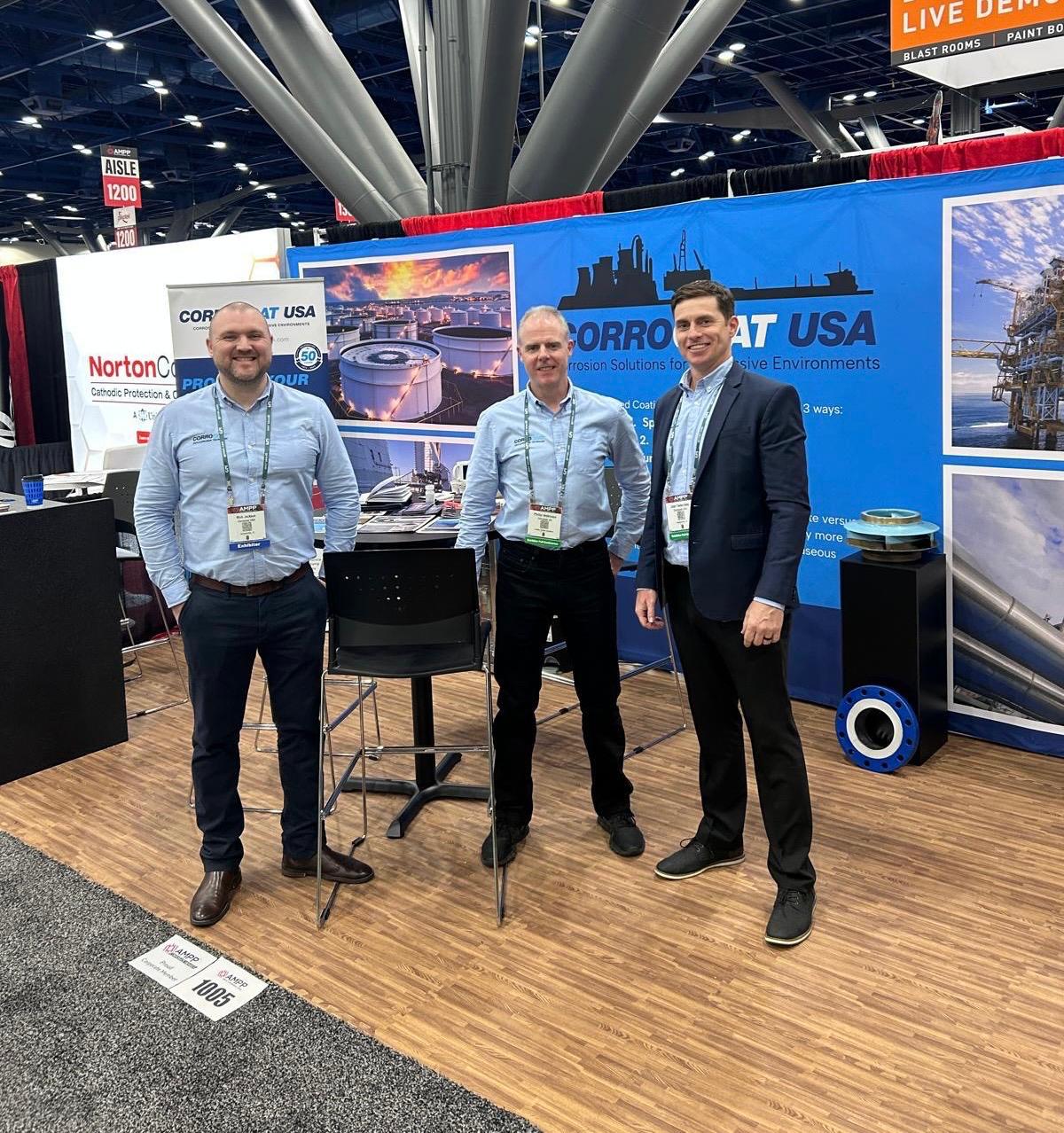
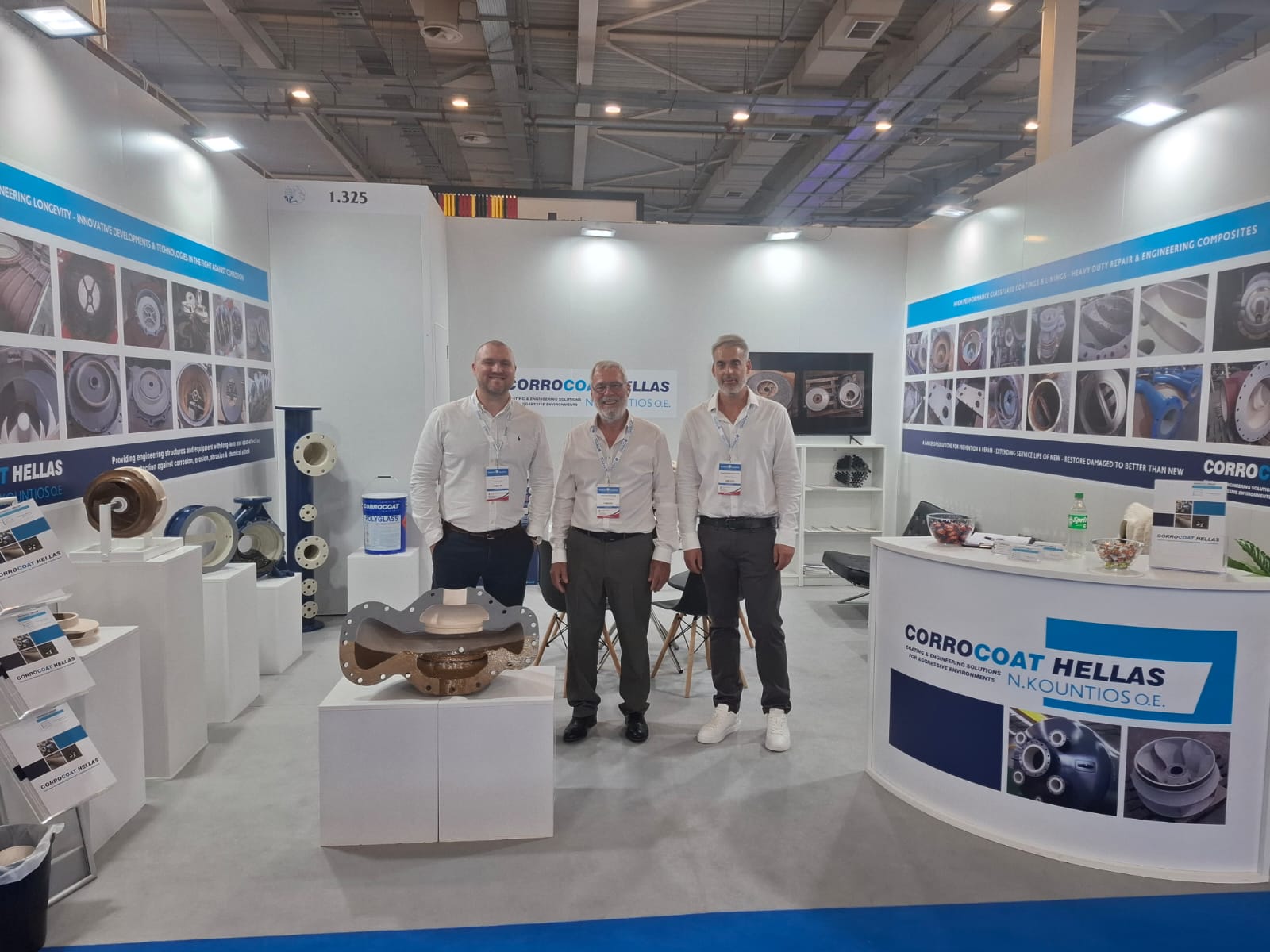
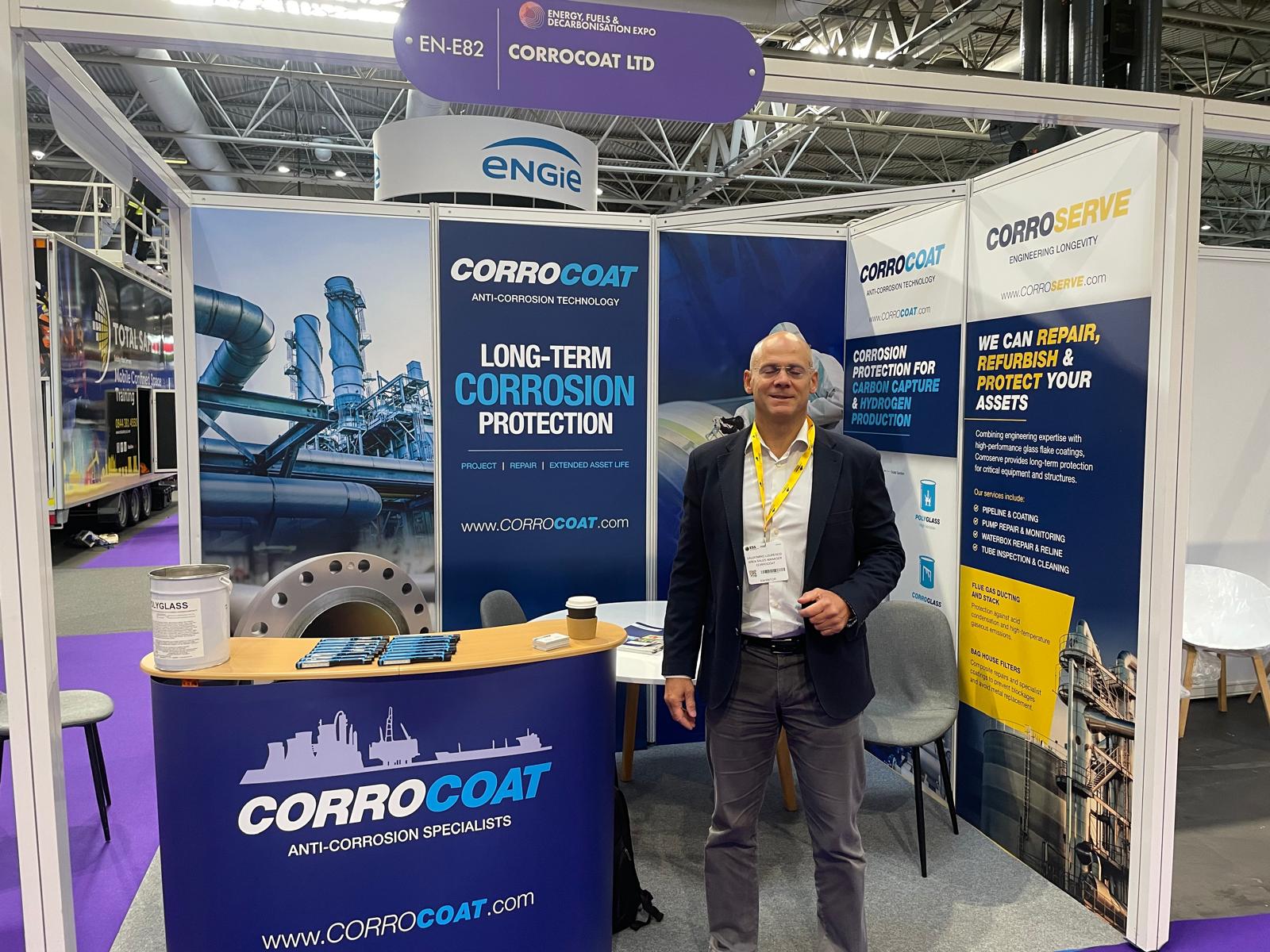
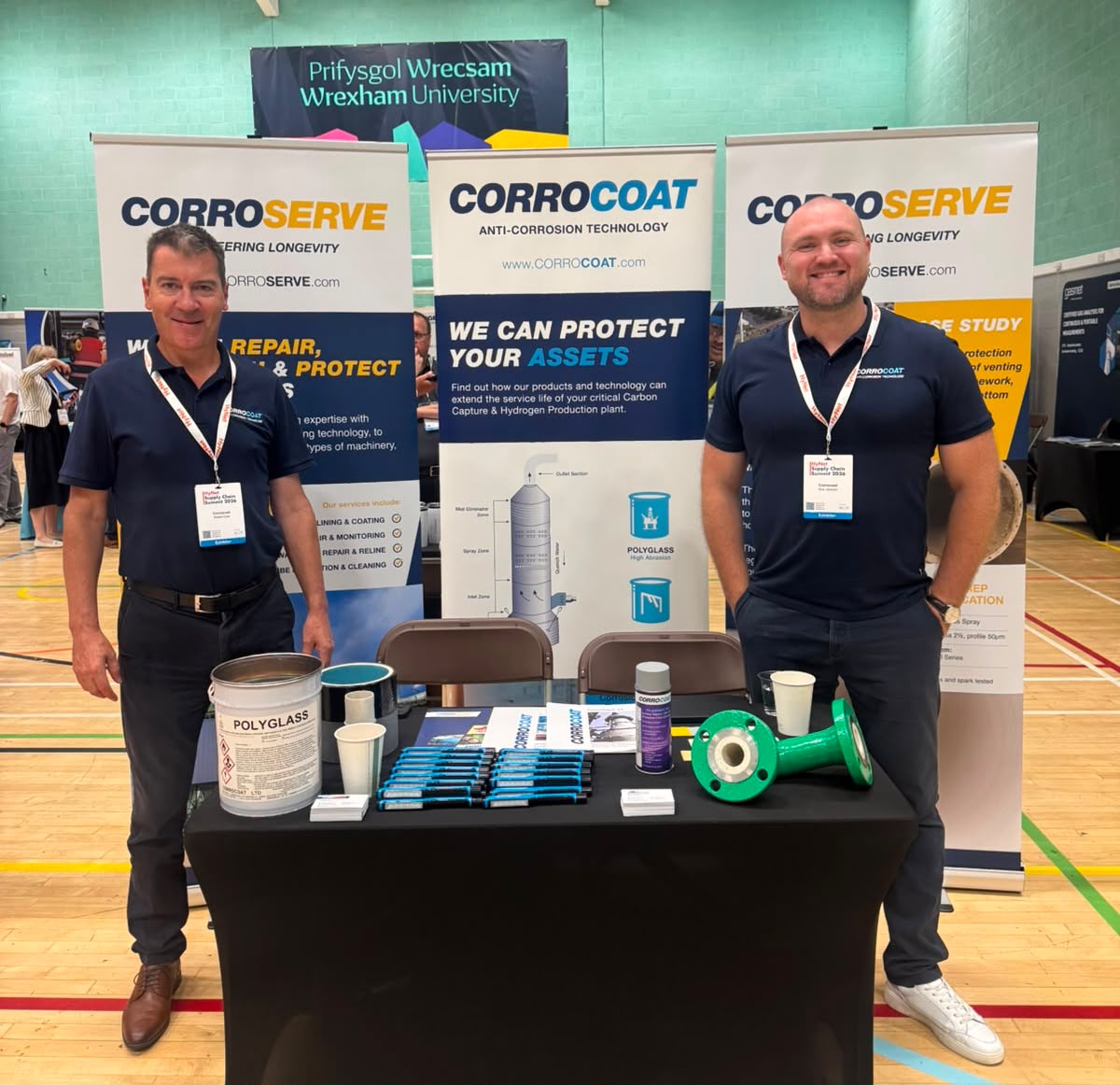
While the operating environments and assets may differ, many of the challenges are shared: corrosion, erosion, chemical attack and the need to extend asset life while reducing maintenance and downtime. Corrocoat’s range of high-performance coating systems, combined with decades of application experience, enables us to provide solutions across these varied and demanding environments.
Attending events across such a broad spectrum of industries gives us the opportunity to strengthen relationships with customers and partners, share expertise and better understand the challenges facing both established and emerging markets. It also helps ensure Corrocoat continues to develop opportunities for our global network across an increasingly diverse range of applications.
How Glassflake Reinforced Coatings Extend Asset Life
Industrial assets operating in harsh environments are constantly exposed to conditions that accelerate corrosion and wear. From offshore platforms and marine infrastructure to chemical processing plants and water treatment facilities, effective corrosion protection is essential to maximise operational life and minimise maintenance costs.
One of the most effective methods of protecting critical assets is through the use of glassflake reinforced coating systems.
What are Glassflake Reinforced Coatings?
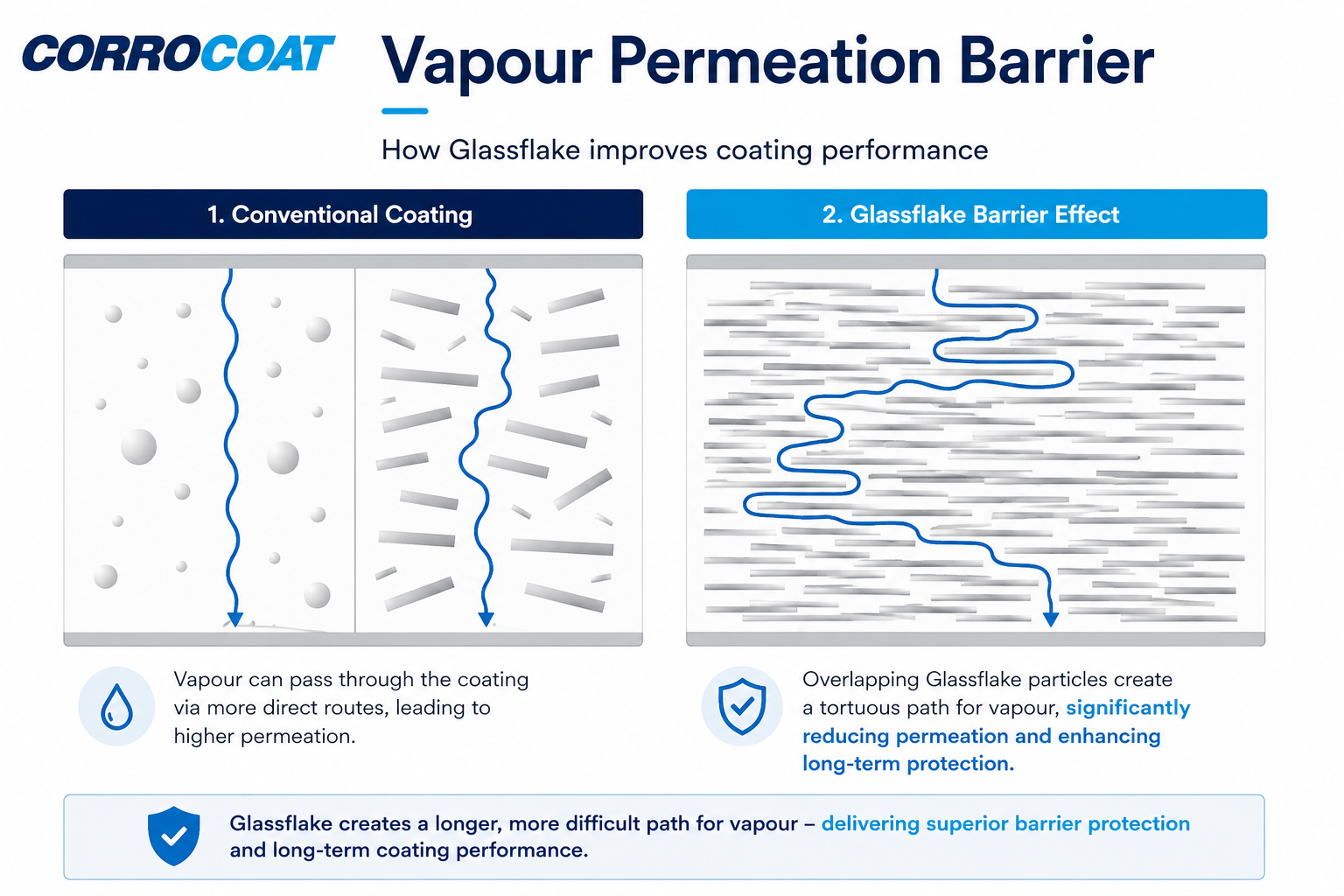
Glassflake reinforced coatings incorporate microscopic glass flakes within the coating matrix to create an exceptionally effective barrier against moisture, chemicals and corrosive media.
Unlike conventional coatings, the overlapping glass flakes create a complex barrier that significantly reduces the path moisture and corrosive elements must travel before reaching the substrate.
This enhanced barrier protection helps slow the corrosion process and improve the long-term durability of the coating system.
Superior Barrier Protection
The effectiveness of a protective coating depends largely on its ability to prevent water, oxygen and aggressive chemicals from reaching the underlying substrate.
Glassflake technology provides enhanced resistance by reducing permeability and improving the overall integrity of the coating film.
This makes glassflake reinforced systems particularly well suited to demanding environments including:
Reduced Maintenance Requirements
Long-lasting coating systems can significantly reduce maintenance frequency throughout an asset’s operational life.
By protecting steel substrates from corrosion, operators can extend inspection intervals, reduce repair requirements and minimise costly production downtime.
A well-specified coating system represents an investment in the long-term reliability of an asset rather than simply a protective finish.
Selecting the Right Coating System
Every operating environment presents different challenges.
Factors such as chemical exposure, immersion conditions, operating temperature and mechanical wear all influence coating selection.
Choosing a coating system specifically engineered for the operating environment helps ensure optimum long-term performance and asset protection.
Protecting Assets for the Long Term
As industries increasingly focus on asset longevity and lifecycle cost reduction, advanced glassflake reinforced coating systems continue to play an important role in corrosion management strategies.
At Corrocoat, we develop advanced protective coating systems designed to deliver long-term corrosion protection across some of the world’s most demanding operating environments.
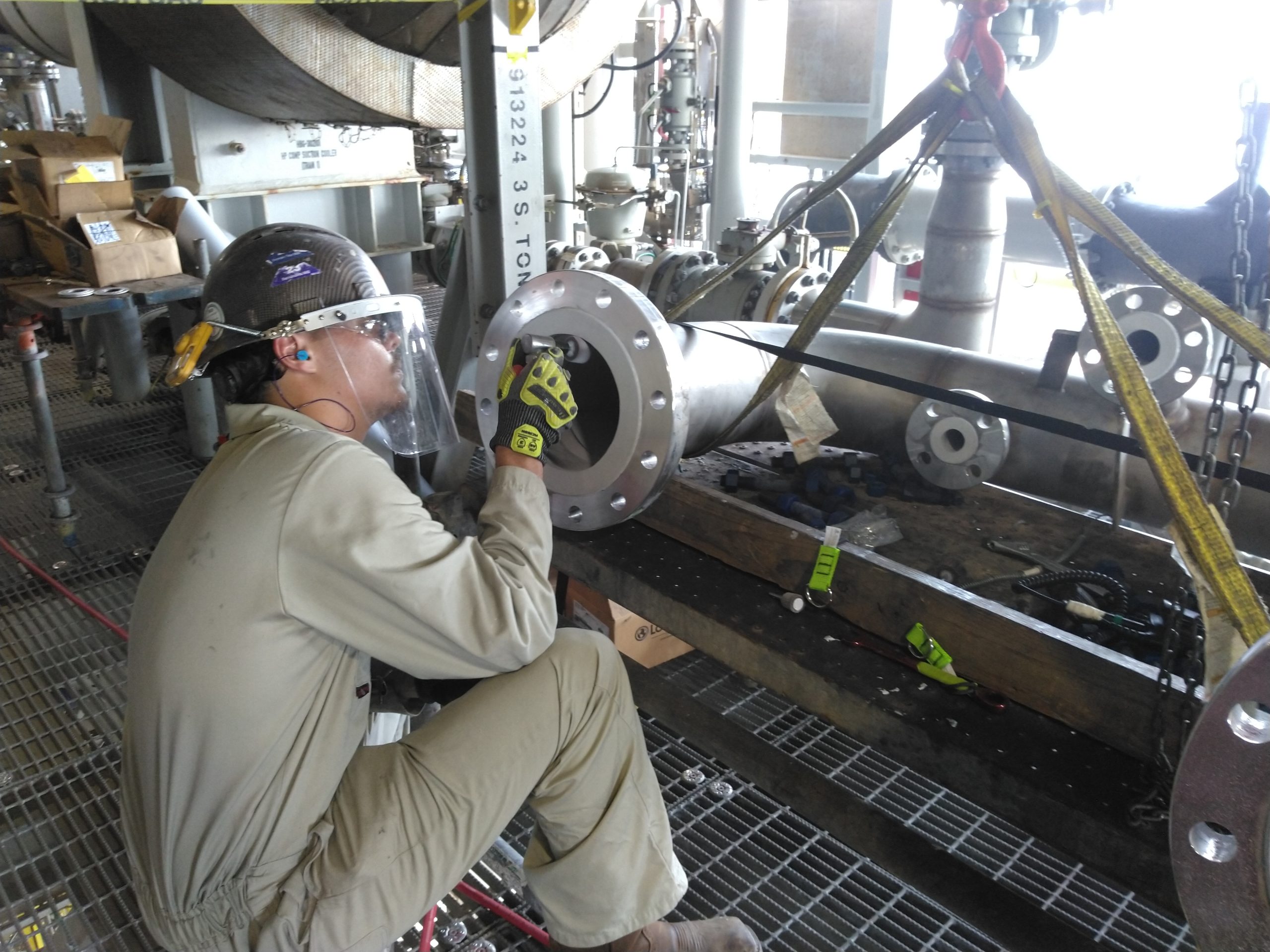
Marine environments are among the most aggressive operating conditions for industrial assets. Constant exposure to seawater, salt spray, humidity and fluctuating temperatures can accelerate corrosion, leading to premature degradation, increased maintenance requirements and costly operational downtime.
For asset owners and operators across marine, offshore and coastal industries, implementing effective corrosion protection strategies is essential to maintaining long-term performance and reliability.
The Challenge of Marine Corrosion
Marine corrosion occurs when metal surfaces are exposed to moisture, oxygen and salts over extended periods. Chlorides present in seawater can rapidly accelerate corrosion processes, particularly in areas exposed to splash zones, standing water or high humidity.
Without adequate protection, critical infrastructure such as pipework, tanks, pumps, valves and structural steelwork can deteriorate significantly over time.
In addition to environmental exposure, factors such as mechanical damage, poor surface preparation and ageing coating systems can further increase the risk of corrosion-related failures.
The Importance of Protective Coating Systems
One of the most effective ways to extend asset life in marine environments is through the use of high-performance protective coatings.
Advanced glassflake reinforced coating systems provide enhanced barrier protection by creating a highly tortuous path that reduces moisture ingress and limits corrosion development at the substrate surface.
Selecting the correct coating system for the operating environment is critical, particularly where assets are exposed to continuous immersion, chemical exposure or severe atmospheric conditions.
Surface Preparation Matters
Even the highest performing coating system relies on correct surface preparation to achieve long-term performance.
Contaminants, corrosion products and poorly prepared substrates can significantly impact coating adhesion and durability. Abrasive blasting and thorough surface preparation help ensure coatings achieve the required bond strength and protective performance.
Attention to detail during application is equally important in achieving consistent coating thickness and long-term reliability.
Inspection and Maintenance
Routine inspection and proactive maintenance programmes play a vital role in extending asset life.
Early identification of coating damage or corrosion allows maintenance teams to intervene before deterioration progresses into more significant structural or operational issues.
Planned maintenance strategies can help reduce unplanned downtime, minimise repair costs and improve long-term asset integrity.
Supporting Long-Term Asset Performance
As industries continue to focus on reliability, sustainability and lifecycle management, protecting assets from corrosion remains a critical priority.
At Corrocoat, we support customers across marine and industrial sectors with advanced protective coating solutions engineered to perform in challenging operating environments and help extend long-term asset life.
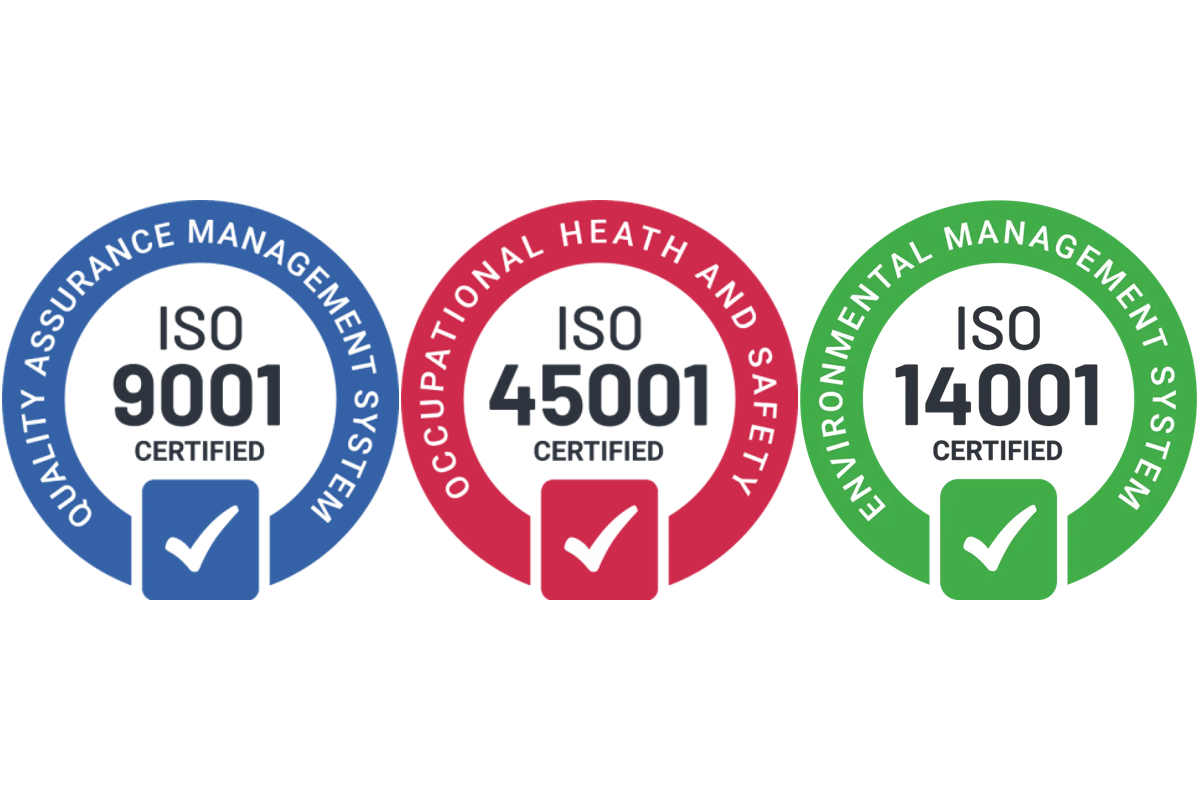 Corrocoat is proud to announce that it has achieved the internationally recognised ‘Triple Crown’ of ISO certifications, reinforcing its commitment to quality, safety, and environmental responsibility across all areas of the business.
The company holds:
These certifications reflect Corrocoat’s ongoing commitment to delivering high-performance anti-corrosion coating solutions while maintaining the highest operational standards.
Quality has long been at the core of Corrocoat’s operations, with ISO 9001 forming a strong foundation for consistent product performance and customer satisfaction. The recertification of ISO 45001 highlights the company’s continued focus on protecting its people, partners, and working environments. Meanwhile, achieving ISO 14001 marks a significant step forward in strengthening environmental management and sustainability practices.
Rather than treating these standards as standalone achievements, Corrocoat integrates them into its day-to-day operations—ensuring that quality, safety, and environmental considerations are embedded into every stage of product development and delivery.
This milestone demonstrates Corrocoat’s dedication to continuous improvement and its responsibility to customers operating in demanding industrial environments where performance and reliability are critical.
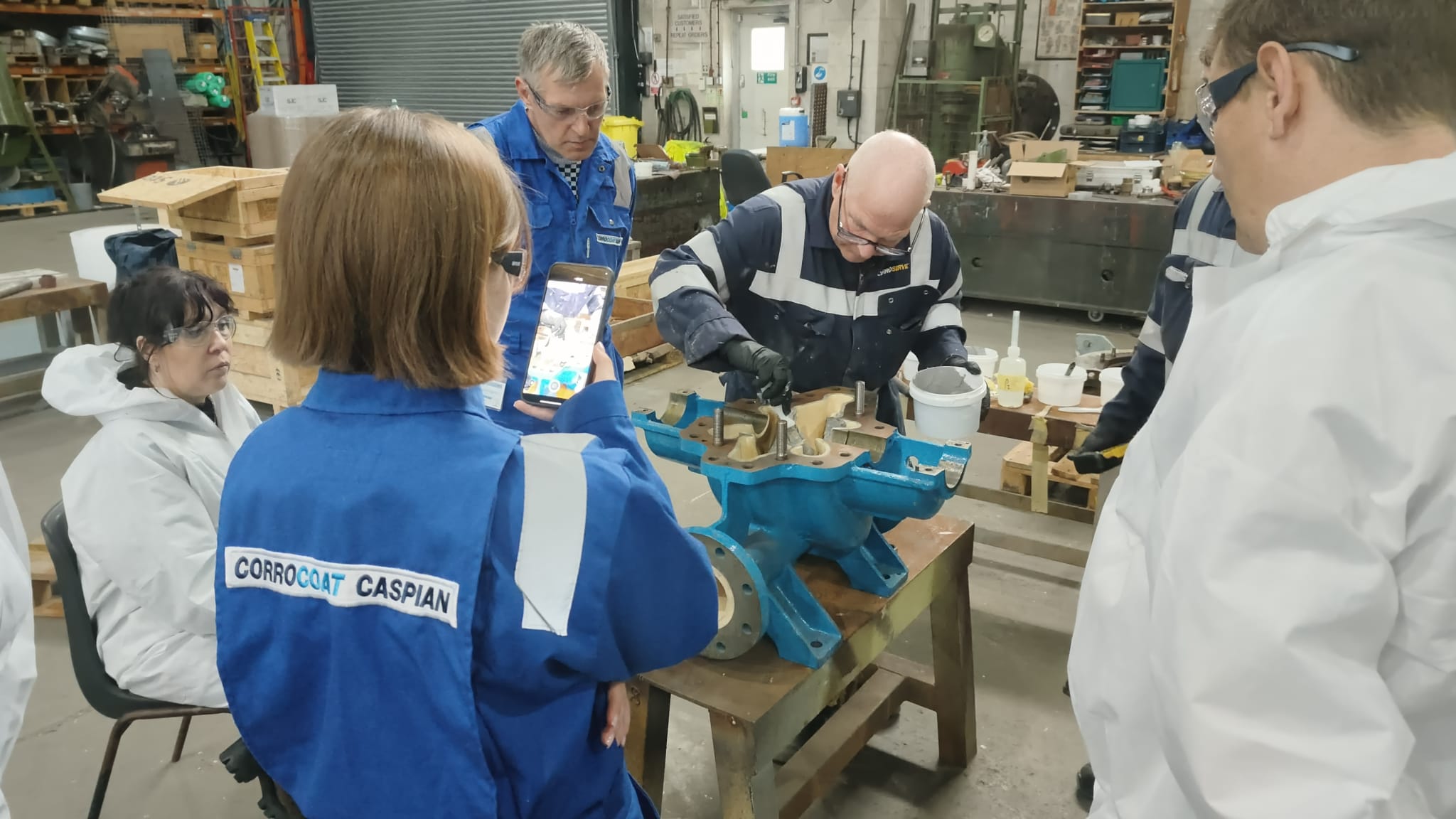
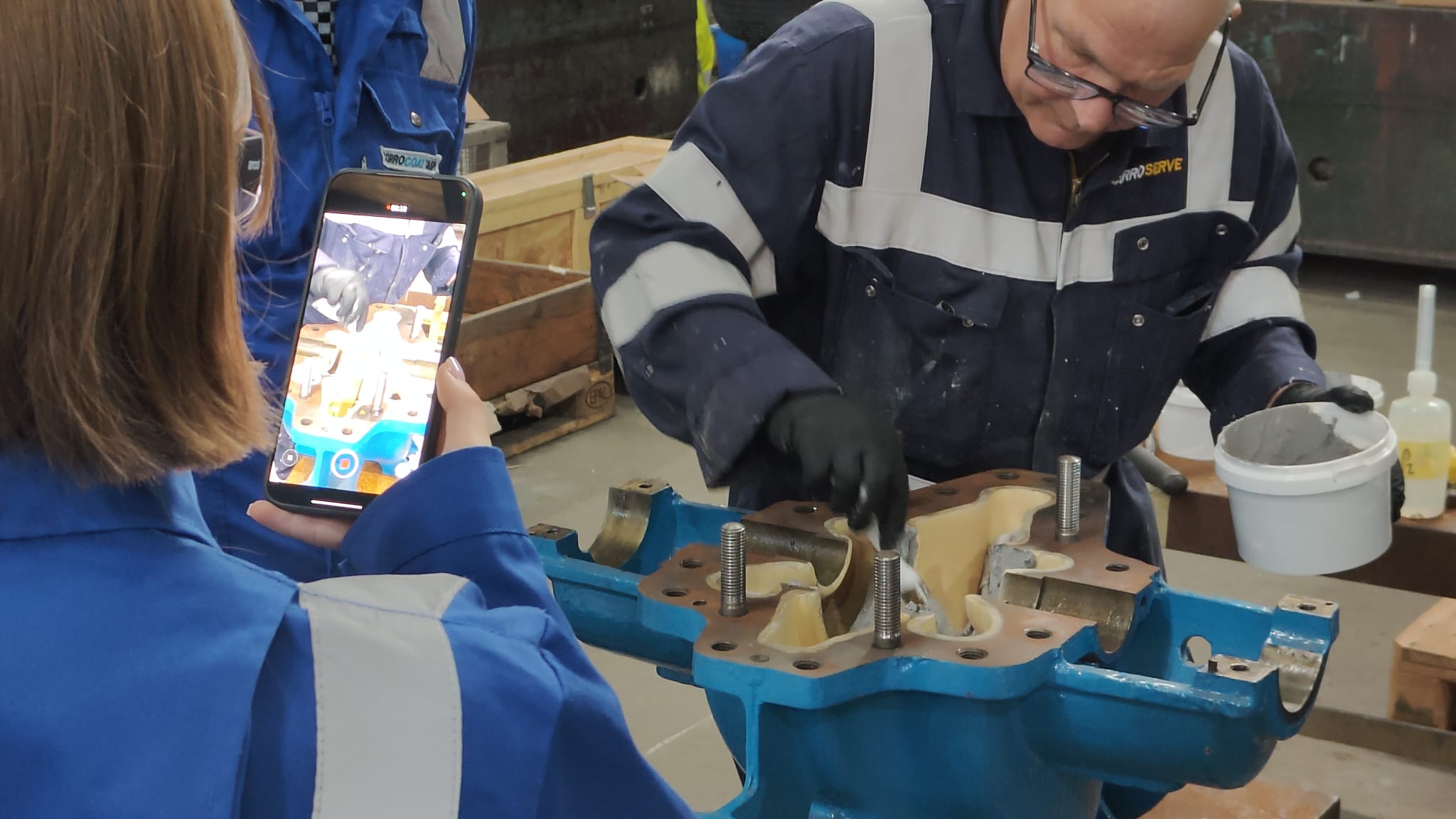
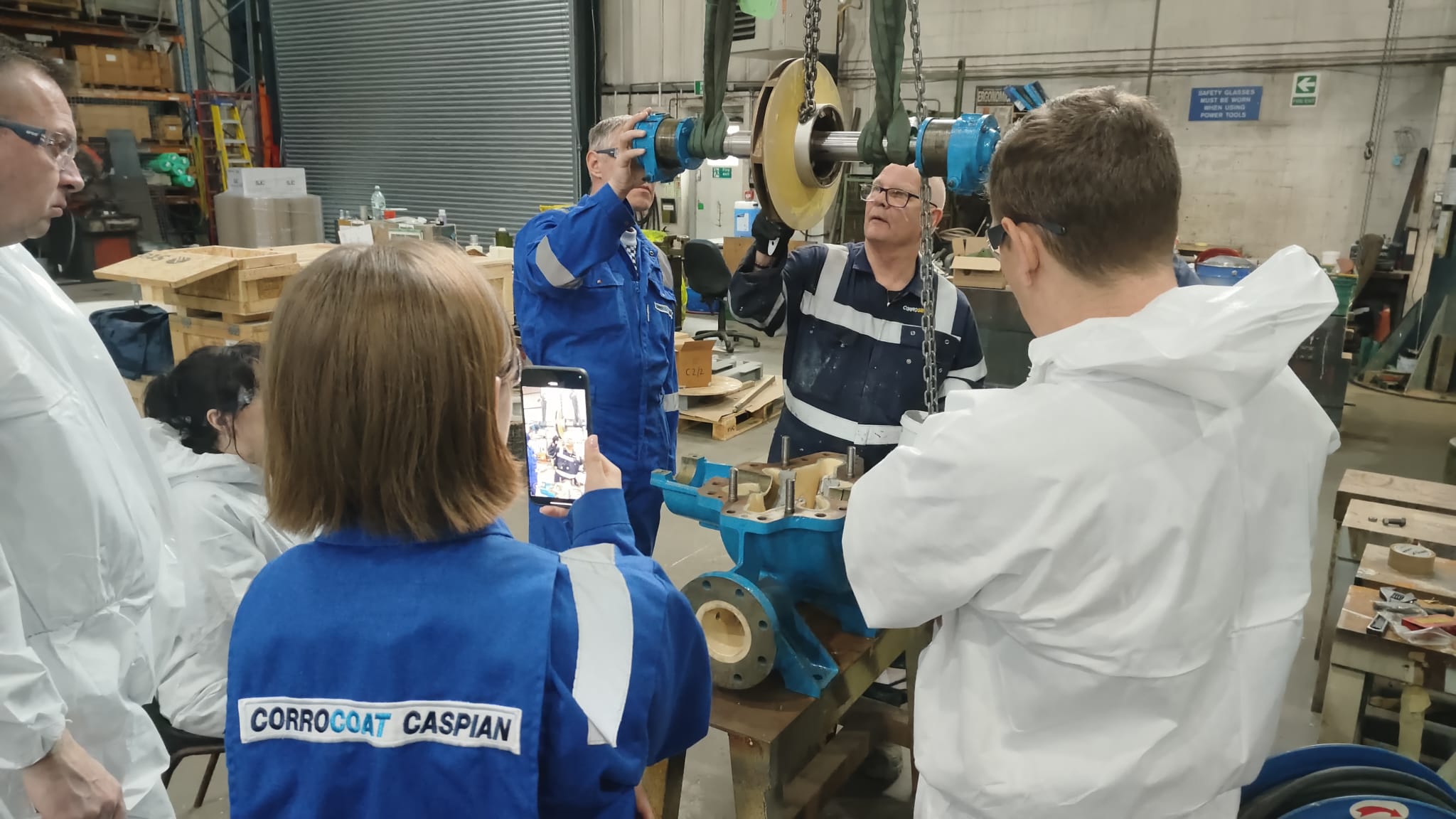
Corrocoat Caspian has successfully completed an intensive two-week technical training programme at the UK head office of Corrocoat, strengthening the division’s capability in the repair, restoration and protection of pumping equipment using specialist glassflake coatings.
The visit provided an invaluable opportunity for the Caspian team to work closely with Corrocoat’s technical specialists, gaining in-depth knowledge of coating technologies, application methodologies and best practices developed over decades of corrosion engineering experience.
Throughout the programme, the team participated in detailed technical discussions, practical demonstrations and hands-on application sessions focused on the repair and refurbishment of pumps operating in aggressive industrial environments. This knowledge transfer ensures the same high standards, processes and expertise applied in the UK can now be delivered locally within the Caspian region.
Knowledge in Practice
A key part of the training centred around real-world repair scenarios, allowing the team to see first-hand how specialist surface preparation, mechanical restoration and glassflake coating systems are combined to return heavily worn or corroded equipment to service with enhanced protection and extended operational life.
By working directly alongside Corrocoat’s experienced engineers and applicators, the Caspian team developed practical confidence in applying these techniques, reinforcing their readiness to undertake complex refurbishment projects for customers across their local market.
Launch of a New Specialist Workshop
Following the training programme, Corrocoat Caspian has officially launched operations at its new dedicated workshop facility. The workshop is now fully equipped to provide a comprehensive range of services for the repair and anti-corrosion protection of pumps and associated equipment.
This marks a significant step in the development of the division, enabling customers in the region to access Corrocoat’s proven repair and coating solutions locally, reducing lead times and improving service availability.
Strengthening International Collaboration
The visit highlights the strength of collaboration across the Corrocoat group, where shared expertise, consistent standards and ongoing technical support ensure customers worldwide benefit from the same level of corrosion protection knowledge and capability.
The Corrocoat Caspian team returns with enhanced expertise, fresh ideas and renewed momentum to further scale operations and deliver high-quality projects in pump protection and restoration.
Corrocoat Caspian would like to thank the UK team for their professionalism, support and commitment throughout the training programme
Corrocoat Japan previously provided corrosion protection for a newly manufactured gas blower rotor intended for a gas cleaning system at a chemical plant. The impeller and shaft, with an external diameter of 2.57m and a length of 8m, weighed over 3 tonnes and was destined for installation at a chemical plant aimed at removing toxic gases from various chemical manufacturing processes.
Due to the size of the blower, the team at Corrocoat Japan took 2 weeks to complete the project on-site. Special facilities were constructed for blasting and the application of Polyglass VE and VE Veilcoat to ensure that the equipment had suitable encapsulation from the surrounding environment. As part of the project the large rotor required dynamic balancing prior to carrying out coating quality assurance testing. Corrocoat Japan was specified based on previous corrosion resistance tests conducted by the client and subsequent positive experiences with the refurbishment of existing equipment. The client decided to specify the use of required dynamic balancing prior to carrying out coating quality assurance testing. Corrocoat Japan was specified based on previous corrosion resistance tests conducted by the client and subsequent positive experiences with the refurbishment of existing equipment. The client decided to specify the use of Corrocoat products for new equipment going forward, thereby prolonging the service life from the very start. The efficiency of both the team and the products used led to the client commissioning Corrocoat Japan for further work, securing contracts for 4 units of similar dimensions to date. exceed a further 10 years in service.


An engineer from a power plant in Florida contacted Corrocoat USA to look at two of their coal ash silos that had two different types of failed external wrapping systems. These were located at the base of the silo (which was 90 foot (27.4m) off the ground, causing a cavity that could have allowed valuable coal ash to weep from the bottom of the silo and into the atmosphere. Upon inspection, on Silo 1, the rubber liner was damaged in multiple locations and was leading to concrete deterioration and crevices. On Silo 2, there was a polymer liner that failed at the seam, thereby allowing an ingress of moisture and escape of coal ash. Each silo was 50 feet (15.24m) diameter. The repair included coating and sealing 16 inches (40.64cm) up onto the steel silo and 12 inches (30.48cm) onto the concrete base.
A plan was devised by Corrocoat USA, for the removal of each of the failed wraps, using pneumatic tools, working a portion of the surface from 125 foot (38.1m) using manlifts. The steel substrate was primed using Plasmet ZF, whilst Plasmet ECP was used for the concrete. A layer of multiaxial fibreglass followed and then finished off with an additional coat of Plasmet ZF and a polyurethane topcoat for UV protection. An unexpected problem occurred whilst filling holes with the Corrofill E; there were hundreds of holes ranging from the size of a pinhead to the diameter of a walnut.
Although the silo was said to be depressurised during the operation, the shape and size of the silo created a natural draft and therefore pressure on the silo. After filling about 80% of the holes, the pressure increased on the remaining cavities to the point that pinholes formed in the Corrofill E once placed. It took several passes and significant skill and patience to finally stop all of the air from escaping and fashion the filler to a shape that would allow for effective fiberglass application.
Corrocoat USA solved a difficult and potentially expensive problem. The work carried out by the team is predicted to protect the equipment for the foreseeable future – the life of the plant.
Explore our case studies and discover more about the wide range of global projects we’re involved in and learn how we assist our clients in repairing and protecting their equipment.
In the world of petrochemical processing, unplanned downtime can be both costly and disruptive. When a CO₂ pipeline elbow at a petrochemical plant in the Czech Republic developed a leak, the facility faced the risk of shutting down a section of its operations for several days. Traditional repair methods, such as off-site fixes or full pipeline replacement, would have been expensive and time-consuming. However, thanks to an innovative on-site repair solution using Corrocoat products, a shutdown was successfully avoided.
The pipeline elbow in question was made of carbon steel and had already undergone several unsuccessful coating repair attempts. The persistent leak meant that a more robust, long-term solution was needed, one that could be implemented without taking the system offline.
After an inspection by Corrotech, a customised repair plan was developed. Surface preparation of the elbow was undertaken on-site whilst work got underway with fabrication of a 4 mm thick FRP enclosure, using Corroglass 600 Lamination Resin and Multiaxial Fibre Glass Cloth 600 g/m² in the workshop. Once the elbow was prepared and primed with Corroglass 600 Series, the enclosure was installed around the elbow and filled with Corrofill VE on-site. Strength was further bolstered with an additional layer of 600g/ m² cloth before being coated with Polyglass VEHA.

This composite repair solution successfully sealed the leak and reinforced the pipe elbow, eliminating the need for costly shutdowns or major replacements. By leveraging Corrocoat’s advanced coating and composite materials, the petrochemical plant was able to restore the integrity of the pipeline without interrupting operations.
Find out more about our composite repair solutions for industrial pipelines.